

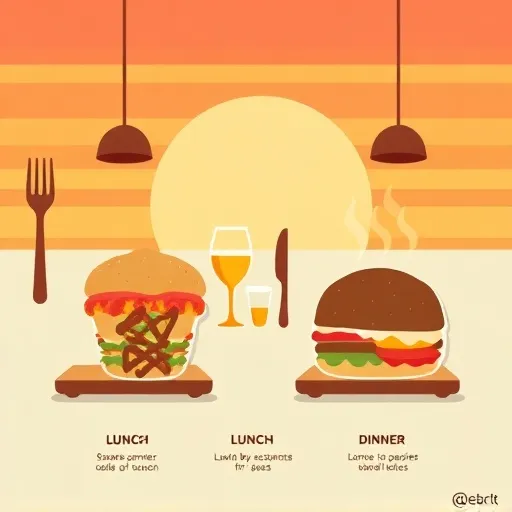
Lunch and dinner men
Why Do Restaurants Even Have Separate Lunch and Dinner Menus?
Let's be real — a restaurant menu isn't just a list of food. It's a full-on business document, and the difference between lunch and dinner menu is one of the smartest moves a restaurant can make. Splitting the two lets a place serve totally different customer needs at different times of day while also managing kitchen workflow and food costs. That difference between lunch and dinner menu shows up in pricing, portions, prep style, and even how fast your server moves.
Lunch crowds are usually racing the clock. Think office workers on a 45-minute break, shoppers grabbing a quick bite, or families squeezing in a meal between errands. They want speed, lighter portions, and predictable prices. Dinner diners? Completely different mode. They're relaxing, socializing, celebrating, or unwinding after work. They'll happily spend more time and more money. That gap in mindset is basically the whole difference between lunch and dinner menu in a nutshell.
Industry pros say this split also keeps kitchens running efficiently. A lunch menu leans on prepped components and faster cooking methods, while a dinner menu can afford complex, made-to-order dishes. It's a textbook case of menu engineering — designing choices that nudge diners toward dishes that are both appealing and profitable. Once you notice the difference between lunch and dinner menu from an operations angle, you can't unsee it.
The Historical Context Behind Urban Dining Culture and Midday Meals
The lunch/dinner split isn't some new gimmick. It goes back to the rise of urban dining culture, when midday meals served a purely functional purpose and evening meals turned into social occasions. What's changed by 2026 is flexibility. Tons of modern restaurants now run all-day menus with lunch and dinner sections that overlap, and some have rolled out "linner" (late lunch/early dinner) pricing windows to capture that 3–5 PM crowd. The difference between lunch and dinner menu is still there — it's just getting blurrier around the edges.
Pricing and Value Perception: The Most Obvious Difference Between Lunch and Dinner Menu
Price is the loudest signal. Lunch menus typically run 20–40% cheaper than dinner menus for comparable dishes. Why? A few reasons:
- Lower operating costs: Midday labor costs are often lower, and restaurants need to fill seats during slower hours.
- Volume strategy: Lunch relies on turning tables quickly, so lower margins per cover get offset by higher turnover.
- Competition: Lunch diners have more options — food courts, fast casual, takeout — so restaurants price aggressively.
- Perceived value: A prix fixe lunch set — two courses for one price — feels like a steal, even with a smaller portion.
Dinner pricing reflects a different value equation: ambiance, longer table time, more attentive service, and often premium ingredients. Diners expect to pay more, and they're fine with it because the occasion justifies it. That psychological shift is a huge part of the difference between lunch and dinner menu.
Portion Sizes and Course Structure: Where the Difference Between Lunch and Dinner Menu Really Shows
Lunch portions tend to be lighter. You'll see more salads, sandwiches, soups, and grain bowls. Dinner menus lean toward heartier entrées — steaks, roasts, pasta mains — plus multi-course structures with appetizers, mains, and desserts.
Course structure matters too. A lunch menu might offer a single combo price for a main plus a drink. A dinner menu often encourages add-ons: starters, sides, wine pairings, dessert. This isn't just about appetite — it's menu architecture. Experts call it menu flow, and it's built to maximize satisfaction at lunch and revenue at dinner. The difference between lunch and dinner menu here is basically strategy on a page.
Ingredients and Preparation Style: Speed vs. Slow Techniques
Lunch menus favor speed and consistency. Expect more pre-prepped ingredients, quicker methods like grilling, sautéing, and assembling, plus dishes that hold up during a rush. Dinner menus open the door to braising, roasting, sous-vide, and elaborate plating.
Ingredient sourcing can differ too. Some spots reserve premium items — special cuts of meat, seasonal seafood, truffle dishes — for dinner service, when diners splurge. Lunch may use the same core ingredients in simpler, more cost-effective forms. That's another quiet difference between lunch and dinner menu you'd only catch if you looked closely.safe online casino
Beverage Offerings and Service Style: Wine Lists, Craft Cocktails, and Table Pace
Lunch beverage menus usually push iced tea, soft drinks, coffee, and lighter picks. Dinner menus expand into wine lists, craft cocktails, and after-dinner drinks. The beverage program is a major revenue driver at dinner, and the menu shows it.
Service style follows the same logic. Lunch service is fast and efficient — servers read the "time crunch" and streamline everything. Dinner service is leisurely: staff pace courses, offer recommendations, and check in more. The difference between lunch and dinner menu even shapes how your server greets you.
Menu Design Psychology and Pricing Anchors
Menu design is never accidental. Restaurants use layout, descriptions, and pricing anchors to steer your choices. At lunch, the goal is speed and satisfaction — so menus stay streamlined with photos and clear combo options. At dinner, the goal is exploration and indulgence — so menus use evocative language like "slow-roasted," "hand-rolled," and "house-made," plus strategic placement of high-margin items. A veteran pro once called the menu the "silent salesperson." Every section, from item order to font size, is chosen to influence behavior. Understanding the difference between lunch and dinner menu helps you make more intentional choices, whether you're dining for speed or pleasure.
Lunch vs. Dinner: Which Delivers Better Value?
If pure value is your goal, lunch usually wins — similar quality, lower price, faster service. But value isn't only about money. Dinner delivers a different kind: ambiance, pacing, and a broader selection. Here's a quick framework:
- Choose lunch if: You're time-constrained, budget-conscious, or want a lighter meal.
- Choose dinner if: You're celebrating, socializing, or want the full experience — multiple courses, drinks, and dessert.
- Consider "linner" if: You want dinner-style food at lunch-style prices. Plenty of restaurants now offer overlapping menus in the late afternoon.
Menu Trends in 2026: All-Day Dining, Dynamic Pricing, and Digital Menus
The difference between lunch and dinner menu is evolving fast. More restaurants are adopting all-day menus with flexible pricing — core dishes all day, with premium items rotating in at night. This suits hybrid work schedules and unpredictable dining patterns.
Some spots now use time-based pricing, kind of like how travel and entertainment industries operate. Early dinner seatings before 6 PM might feature lunch-style pricing on select items — a win-win where restaurants fill slower hours and diners score better deals. Dinner menus are also adding lighter, lunch-style options: smaller plates, plant-forward dishes, and "snack" sections that work any hour.
And yes, digital menus are now standard. QR-based menus can automatically show lunch or dinner options based on time of day, and some platforms even personalize menus around dietary preferences. The difference between lunch and dinner menu is increasingly handled by tech behind the scenes.legit no deposit casino
Diner Tips: Prix Fixe Deals, Off-Menu Items, and Early Seatings
Here's how to make the difference between lunch and dinner menu work for you:
- Check menu hours online before booking. Most restaurants post separate lunch and dinner menus on their sites or social channels.
- Ask about off-menu items. Sometimes the lunch kitchen can prep dinner dishes on request, especially during off-peak hours.
- Look for prix fixe deals. Lunch set menus often deliver the best value.
- Book early seatings for dinner. They sometimes come with lunch-style pricing or promotional offers.
- Don't assume smaller portions mean lower quality. Lots of lunch menus use the same ingredients in lighter formats.
Common Misconceptions About the Difference Between Lunch and Dinner Menu
Myth #1: Lunch menus use lower-quality ingredients. Not necessarily — many restaurants use the same sourcing for both menus but prepare items differently. The gap is usually portion size and preparation complexity, not quality.
Myth #2: Dinner menus are always better. "Better" depends on your goals. For speed and value, lunch wins. For experience and variety, dinner wins. It's about fit, not superiority.
Myth #3: You can't order dinner items at lunch. Some places allow it, especially during off-peak hours. It never hurts to ask politely.best casino sites
At the end of the day, the difference between lunch and dinner menu comes down to purpose. Lunch menus are engineered for speed, value, and convenience. Dinner menus are built for experience, indulgence, and variety. In 2026, all-day menus, dynamic pricing, and digital ordering keep blurring the lines — but menus remain communication tools, and that lunch/dinner split is still one of the clearest signals a restaurant sends about what it values at different times of day.